

Every business owner expects billing software to simplify invoicing, track payments, and keep the cash flowing. Yet many companies stick with tools that hide fees, create errors, and waste hours of staff time, often without realizing the true impact on their bottom line. Understanding these billing software costs is crucial. In this article, we’ll explore the hidden expenses of outdated billing systems, reveal how they erode profitability, and show what to look for when choosing a better solution.
1. The Illusion of “All-In-One” and Hidden Billing Software Costs
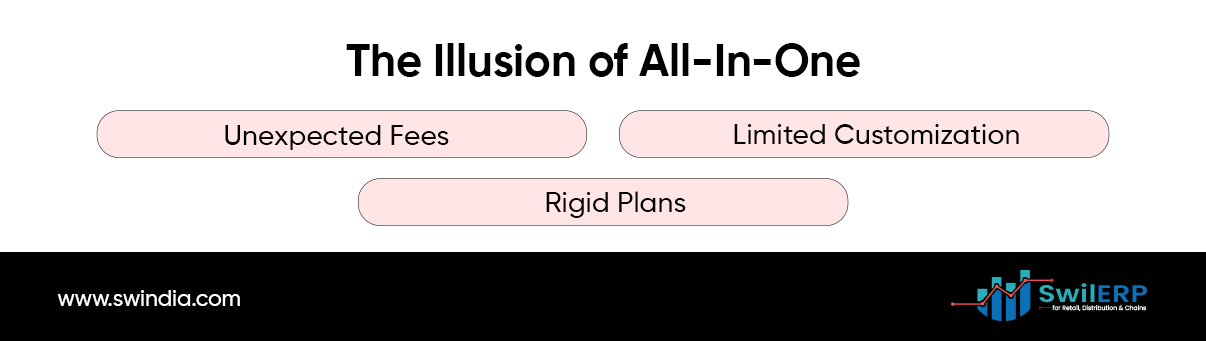
The illusion of ‘all-in-one’ often masks significant hidden billing software costs through unexpected fees and limited customization. Many small businesses begin with a billing tool that promises everything: invoicing, payment processing, customer records, and basic reports. Initially, it feels convenient. But over time, you discover:


- Unexpected Fees
A small per-invoice charge here, a percentage of each payment there. These fees compound as your volume grows, eating into profit. - Limited Customization
You cannot tailor invoice layouts, payment terms, or late-fee rules to your needs. That forces manual workarounds—exporting to spreadsheets, copying data by hand. - Rigid Plans
You lock into a tiered subscription that jumps sharply in price once you add a feature or exceed user counts.
At first, these drawbacks seem minor. But months of hidden costs and extra labor add up.
2. Time Is Money: Manual Work and Error Risk
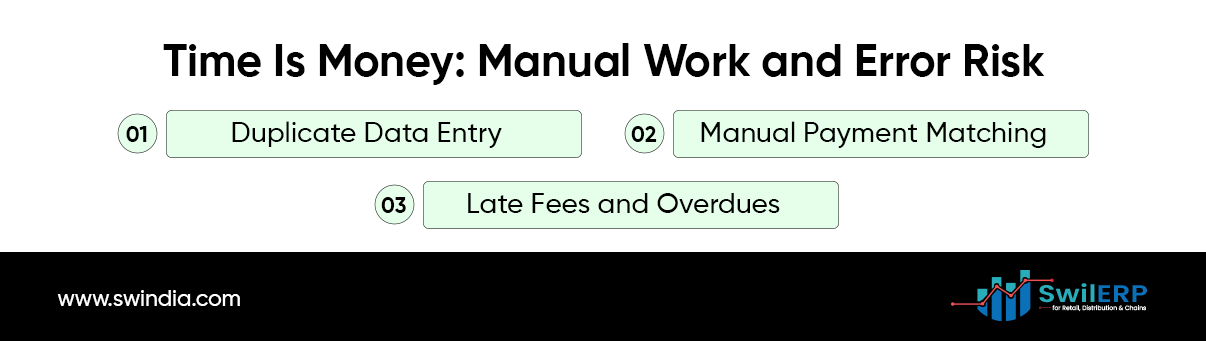
A. Duplicate Data Entry
Time-consuming manual work, like duplicate data entry and reconciliation headaches, directly contributes to higher billing software costs. When your billing tool does not integrate with your customer database, project tracker, or accounting software, staff must enter the same information in multiple places. Each duplicate entry takes time and risks mistakes.
- Typos in customer names or addresses lead to undeliverable invoices.
- Wrong product codes confuse payment reconciliation.
A single miskeyed invoice can cost hours to correct and frustrate clients.
B. Manual Payment Matching
Without automatic bank feeds or payment-gateway connections, your team spends hours each week matching incoming transactions to open invoices. This process drains productivity.
- Export bank statements.
- Cross-check amounts and dates.
- Mark invoices as paid in the system.
Multiply that by dozens of transactions, and you quickly see where time vanishes.
C. Late Fees and Overdues
An outdated system may lack automated reminders or enforcement of late-fee rules. Without a built-in schedule that mails notices on the due date, invoices slip into arrears, and you lose not only revenue but also client goodwill.
3. Poor Visibility: Blind Spots in Revenue and Cash Flow
Beyond the obvious, revenue leakage from missed invoices and delayed follow-ups represents a major component of unacknowledged billing software costs.
A. Fragmented Reporting
Basic billing tools often offer only simple “paid vs. unpaid” tallies. They fail to show
- Projected revenue based on recurring contracts.
- Cash-flow forecasts that account for payment delays.
- Service utilization or product-line profitability.
Without these insights, you cannot plan for slow seasons or pinpoint which offerings deserve more focus.
B. No Real-Time Dashboard
Waiting until month-end to see a summary of your billing performance keeps you in the dark. By then, missed targets and emerging trends become problems instead of opportunities.
4. Hidden Fees and Unfair Pricing Models
A. Transaction Fees You Overlook
Some providers charge per transaction in addition to a monthly fee. At low volumes, it seems manageable. But as customer count rises, you pay:
- A fee per credit card payment.
- A separate fee for ACH or direct-debit collections.
These charges often appear in fine print and rarely surface in standard reports.
B. User-Based Licensing Surprises
When you add a new team member—say, a billing clerk or an accountant—you may trigger a jump to the next subscription tier. This sudden cost increase forces you to decide: delay hiring or pay more than expected.
C. Add-On Charges
Late-fee modules, dunning reminders, custom templates—each “extra” can carry its own price tag. Over a year, these add-ons can exceed the base subscription cost.
5. Lack of Scalability and Its Billing Software Costs
A. Data Protection Shortfalls
Outdated or low-cost billing systems may not meet modern standards for encryption, data storage, or user access controls. A breach or data loss can trigger regulatory fines and erode client trust.
B. Tax and Regulatory Changes
If your software lacks timely updates for tax rates, compliance rules, or invoicing requirements, you bear the burden of manual adjustments and risk penalties for mistakes.
6. Choosing a Better Billing Solution
To avoid these hidden costs, look for software that offers:
- Transparent Pricing
- Clear, flat fees.
- No surprise per-transaction charges.
- Predictable upgrades as you grow.
- Clear, flat fees.
- Automation and Integration
- Automatic payment reconciliation via bank feeds or payment-gateway links.
- One-click exports to your accounting system.
- Built-in reminders and late-fee enforcement.
- Automatic payment reconciliation via bank feeds or payment-gateway links.
- Customizable Workflows
- Flexible invoice templates.
- Tiered approval for discounts or special terms.
- Rule-based tax and compliance updates.
- Flexible invoice templates.
- Real-Time Reporting
- Dashboards for outstanding invoices, cash flow, and churn rates.
- Forecasting tools for future revenue.
- Segmented reports by product, customer, or region.
- Dashboards for outstanding invoices, cash flow, and churn rates.
- Strong Security and Compliance
- Encryption in transit and at rest.
- Role-based access controls.
- Regular updates for tax codes and invoicing regulations.
- Encryption in transit and at rest.
7. Calculating the True Cost of Change
Upgrading your billing software requires time and effort: data migration, staff training, and process mapping. To justify that investment, consider:
- Hours Saved: Estimate how many staff hours the current manual tasks consume each month.
- Fee Reductions: Compare your annual hidden fees now versus the flat-fee alternative.
- Error Costs: Include rework time, customer credits, and potential lost sales.
- Revenue Uplift: Improved cash-flow visibility can help you offer better payment terms, boosting retention and referrals.
Even a modest reduction in manual billing work often pays for itself within months.
8. A Simple Action Plan
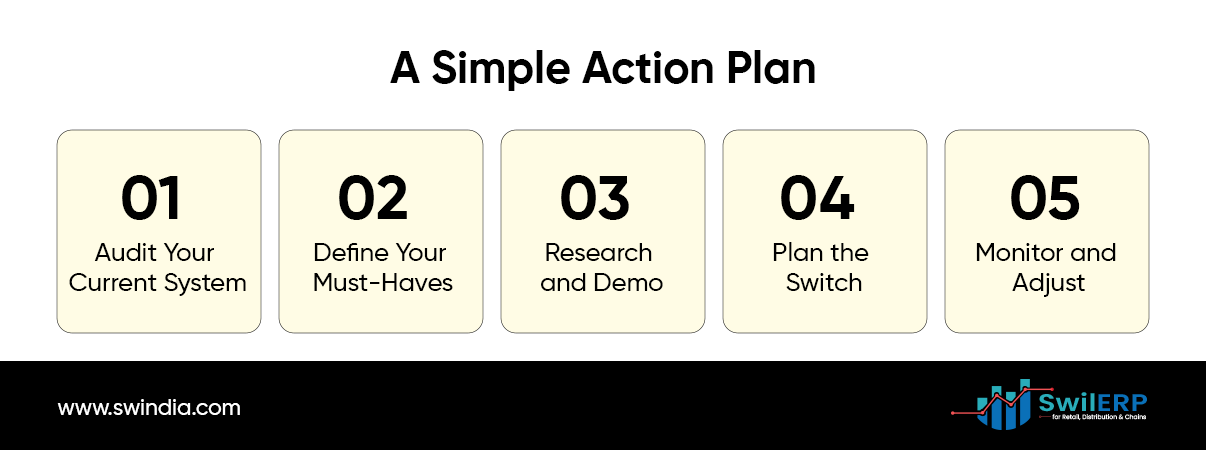
- Audit Your Current System
- List all fees, add-ons, and manual processes you use.
- Time each billing task to find top time-sinks.
- List all fees, add-ons, and manual processes you use.
- Define Your Must-Haves
- Decide on key integrations (accounting, CRM, bank).
- Pinpoint reporting needs (cash-flow forecast, product profitability).
- Decide on key integrations (accounting, CRM, bank).
- Research and Demo
- Shortlist providers that meet your criteria.
- Schedule live demos focusing on your most painful tasks.
- Shortlist providers that meet your criteria.
- Plan the Switch
- Map data fields between old and new systems.
- Set a go-live date with minimal billing volume.
- Train staff on core features, especially automation.
- Map data fields between old and new systems.
- Monitor and Adjust
- Track time saved and fee reductions after implementation.
- Gather staff feedback to fine-tune workflows.
- Track time saved and fee reductions after implementation.
Conclusion: Don’t Let Billing Costs Go Unnoticed
Billing software should free you to focus on customers and growth, not hide fees, create errors, and waste hours of staff time. By recognizing the true cost of outdated tools and investing in a modern, transparent solution, you’ll save money, protect your reputation, and gain the insights you need to make informed decisions.
Take the first step today: audit your current system, identify hidden charges, and explore options that streamline your billing process. Your bottom line—and your team’s time—will thank you.
What billing challenges have you faced in your business? Share your story or questions below.