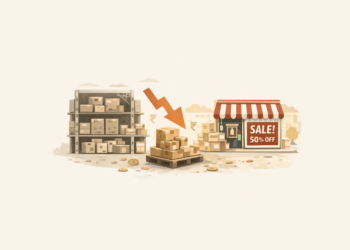

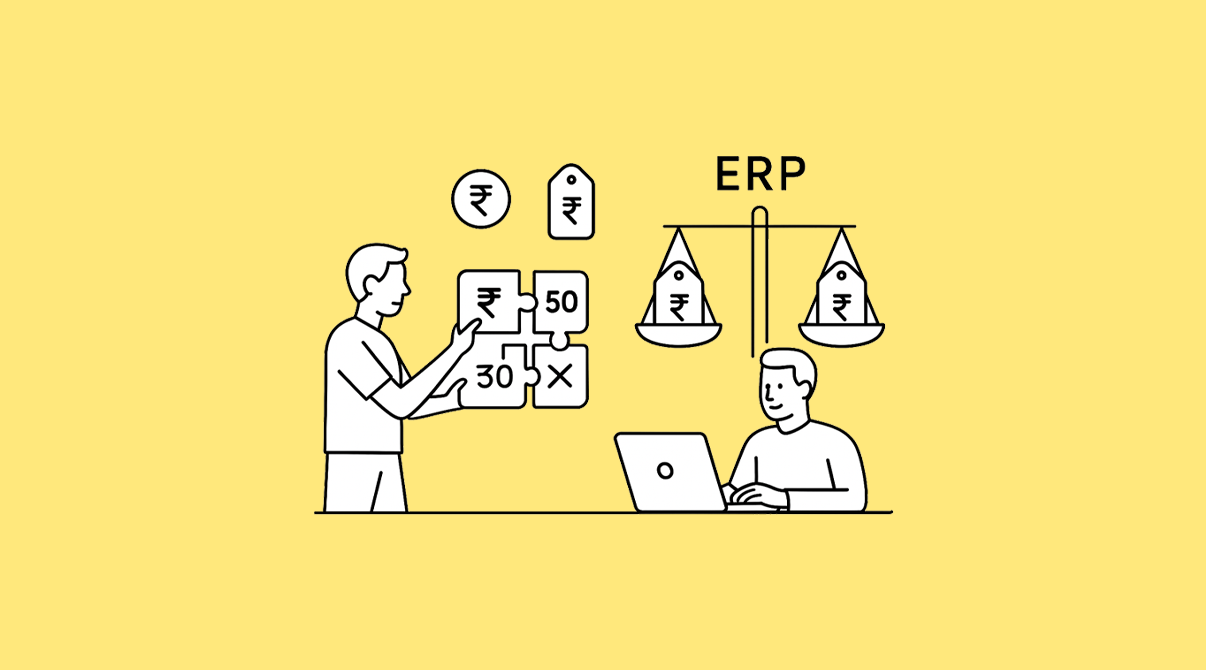
ERP for retail pricing is reshaping how businesses build trust with customers. Retail is as much about numbers as it is about relationships. Pricing can often become the biggest lever retailers use to gain quick wins—but not all pricing tactics are healthy. Some boost short-term sales but hurt margins and customer trust in the long run. Others make operations messy because they’re hard to track or justify later during audits. This is where ERP systems step in, bringing both visibility and discipline to pricing.
Let’s break down the most common pricing “games” retailers play—and how ERP keeps them in check.

1. ERP for Retail Pricing: Controlling Deep Discounting
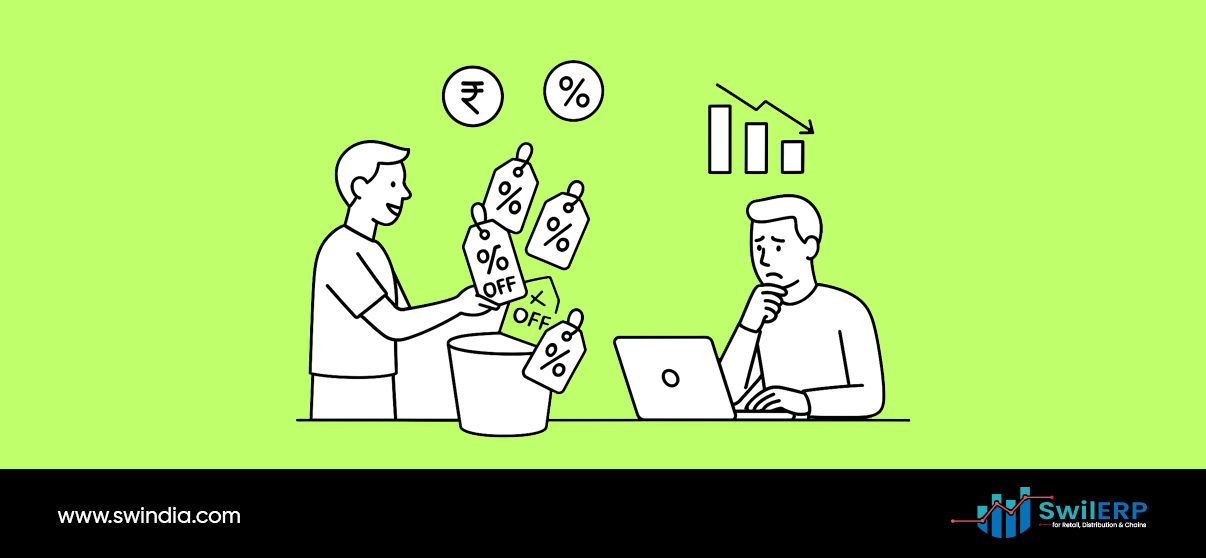
Many retailers slash prices to move stock quickly. While this works temporarily, it often erodes margins. Without tracking actual cost vs. selling price, businesses may unknowingly sell below cost.
How ERP helps:
- Margin Reports highlight products sold at negative or dangerously low margins.
- Scheme/Discount Reports show whether promotions are actually boosting sales or just eating profits.
2. Inflated MRP vs. “Special Offer”
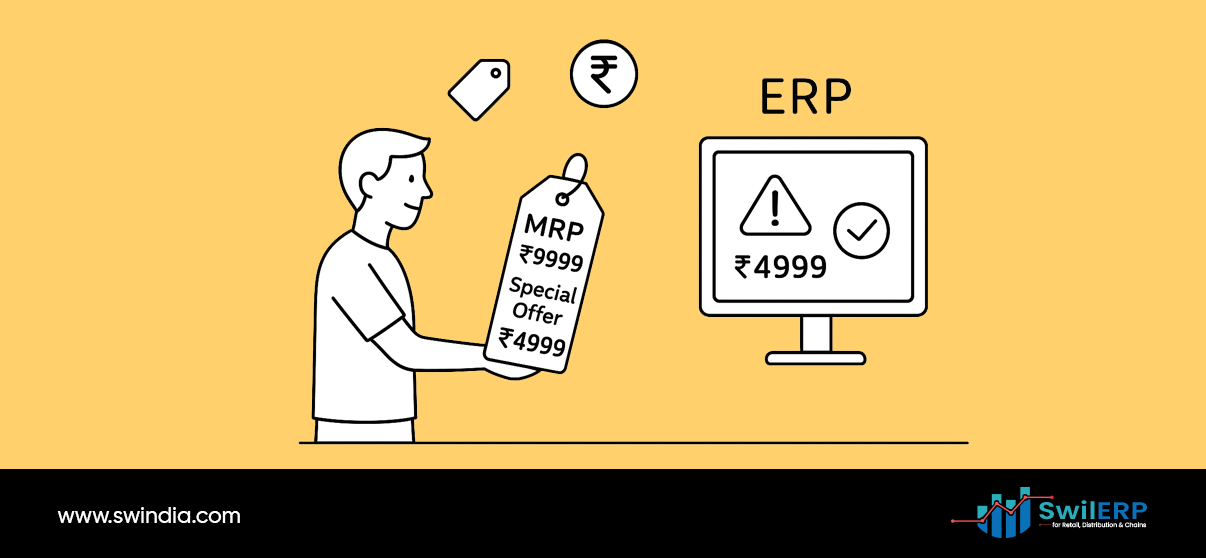
Some businesses inflate MRPs and then mark them down to look like a great deal. While this may tempt first-time buyers, it creates long-term trust issues if customers catch on.
How ERP helps:
- Maintains MRP history for every product, making it easy to compare past and current prices.
- Auditors and managers can quickly identify artificial hikes in MRP.
3. Selective Discounts at Counters
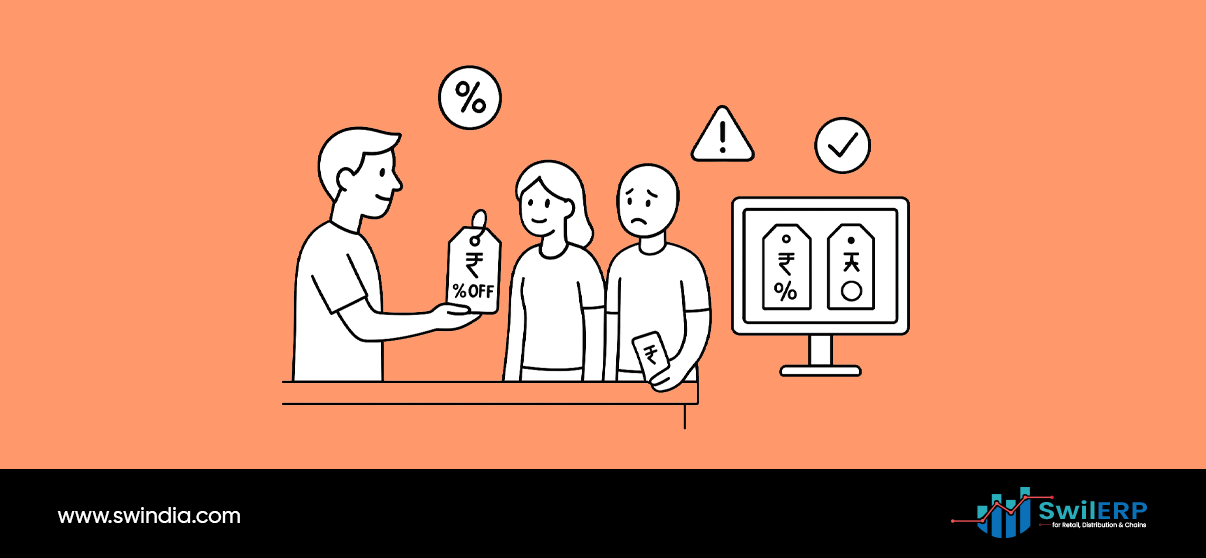
It’s not uncommon for counter staff to give special discounts to “friendly” customers or those who insist. This leads to uneven pricing and lower revenues.
How ERP helps:
- User-wise Billing Reports show which staff members apply the most discounts.
- Alerts can be set to flag discounts above a certain threshold.
4. Playing with Expiry-Dated Products
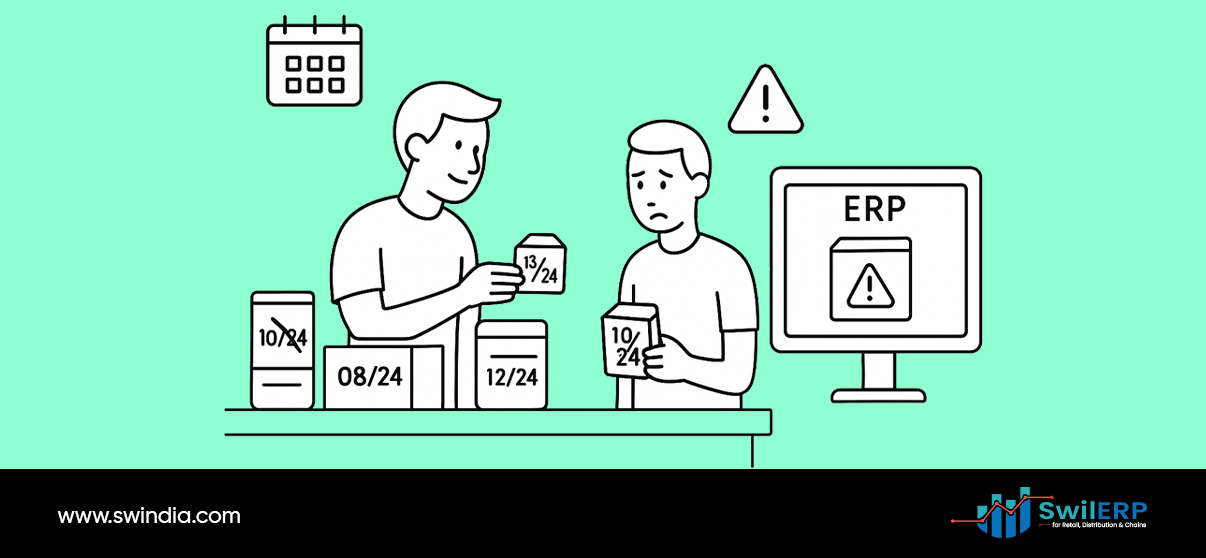
In pharmacies or FMCG, retailers sometimes push near-expiry products with steep discounts to clear shelves. Customers may feel misled if they realize they bought soon-to-expire items.
How ERP helps:
- Expiry Reports flag stock nearing expiry so managers can plan promotions transparently.
- Products can be sold at fair markdowns, communicated clearly to customers.
Retailers use ERP for retail pricing to ensure expiry-based discounts stay fair.
5. Hidden Charges and Add-ons
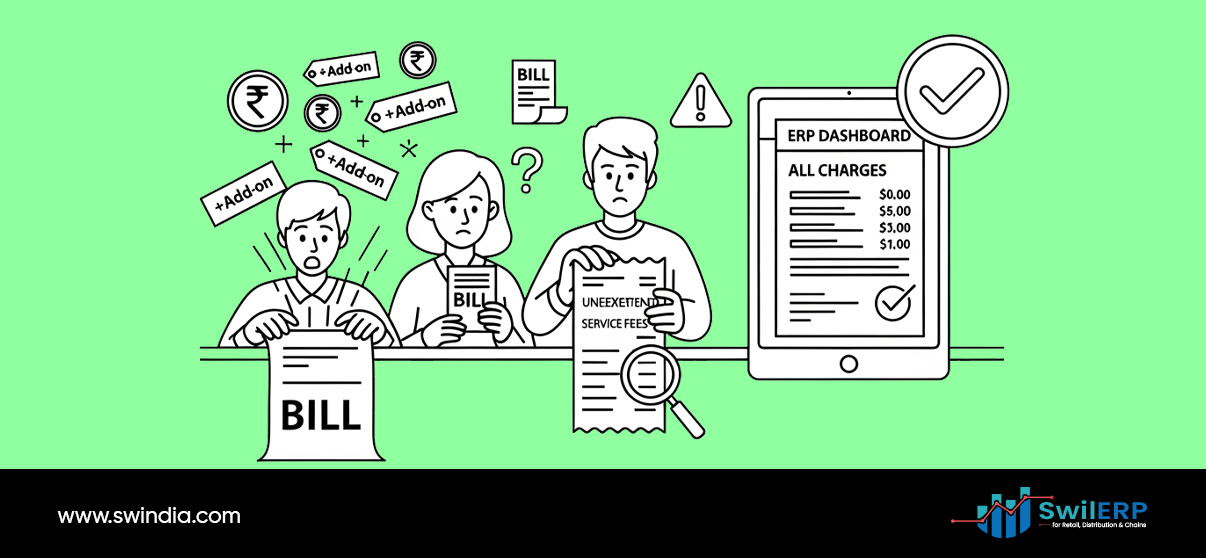
Some stores add packaging charges, handling fees, or round-off adjustments without properly communicating them. This erodes customer trust.
How ERP helps:
- Invoice Settings allow clear itemization of all charges.
- Customers see every added cost on printed bills or e-invoices, reducing disputes.
6. Manipulating Loyalty Points
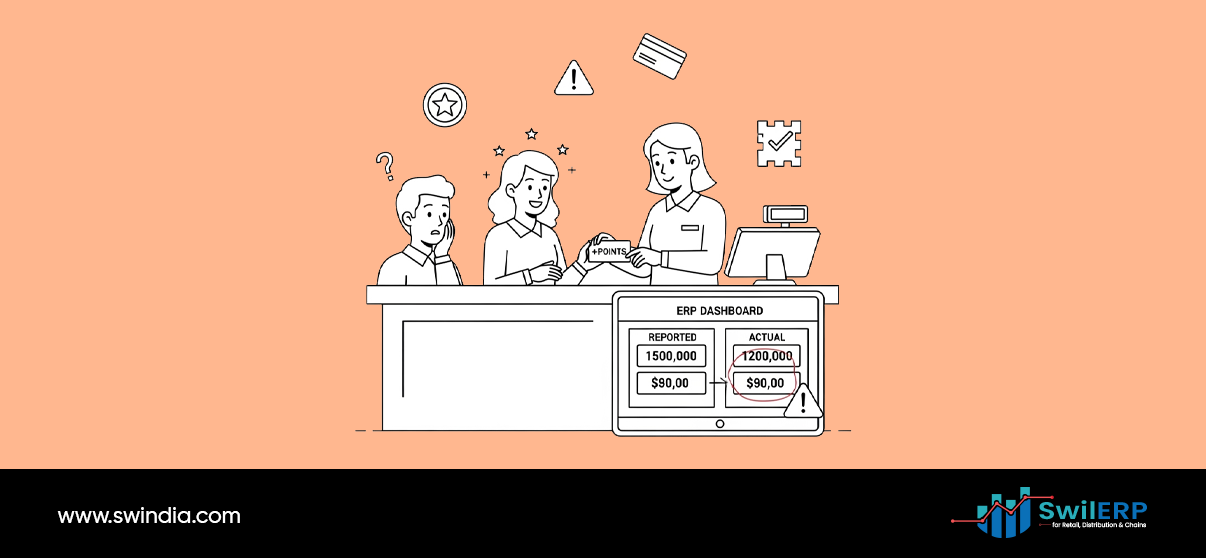
Retailers sometimes delay updating loyalty points or use them selectively to retain margins. Customers quickly notice inconsistency in promised vs. credited rewards.
How ERP helps:
- Loyalty Reports track all point issues and redemptions.
- Automated posting prevents manual manipulation.
With ERP for retail pricing, loyalty points are tracked transparently.
7. Frequent Price Fluctuations Without Reason
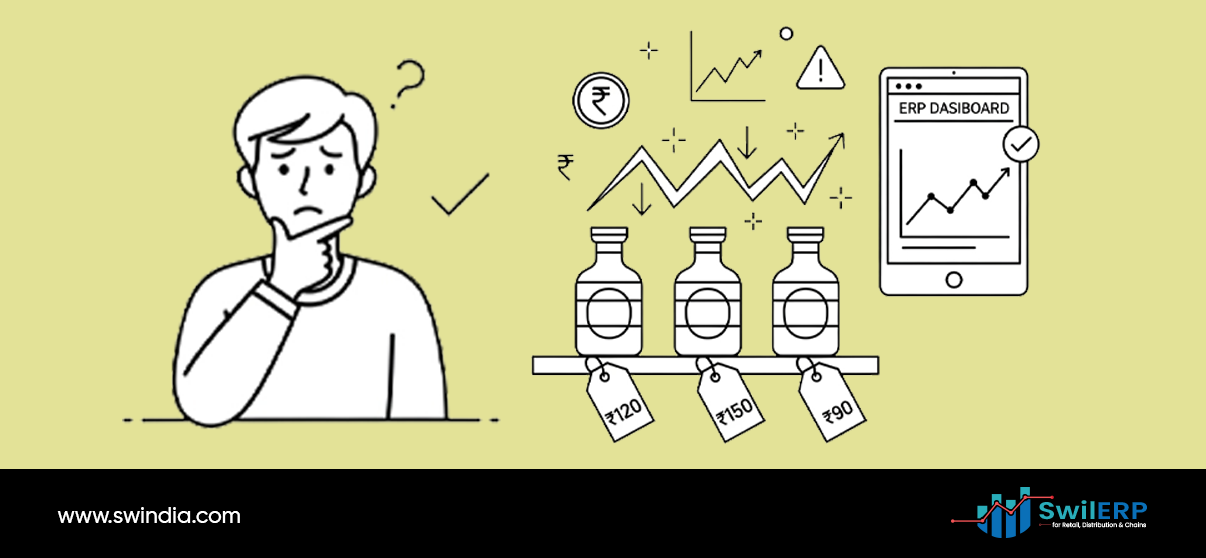
Sudden price hikes and drops confuse both customers and staff. Without data, retailers often overreact to competitor pricing.
How ERP helps:
- Price Change History Reports show frequency and reasons for adjustments.
- Managers can evaluate whether changes align with actual demand or cost shifts.
Why Fair Pricing Builds Long-Term Business
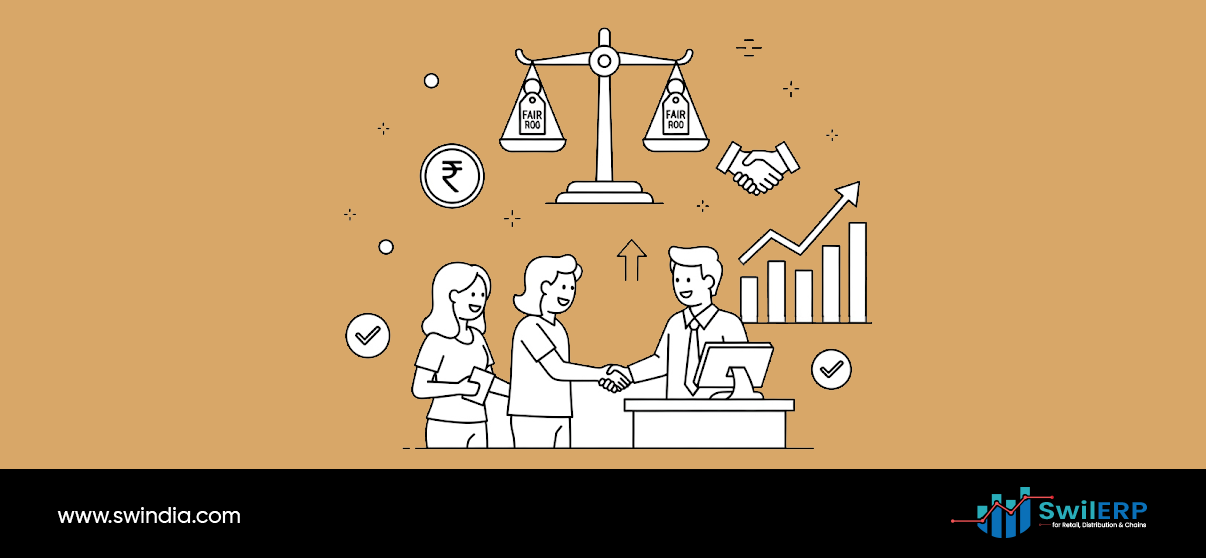
Short-term pricing tricks may look profitable, but they weaken trust and operational clarity. ERP ensures that every pricing decision is data-backed, transparent, and consistent across staff and locations.
When customers know they’re treated fairly, they come back — not because of tricks, but because of trust. And trust, in retail, is the strongest currency of all.
In today’s competitive market, customers value transparency as much as discounts. ERP for retail pricing not only protects margins but also helps businesses maintain credibility. By moving away from pricing tricks and adopting a structured approach, retailers can strengthen customer loyalty and create a sustainable growth path.
Key Takeaway: Pricing games can damage both margins and reputation. ERP doesn’t just stop unfair tactics—it helps retailers adopt transparent, consistent, and sustainable pricing practices.