


Talk to any successful retailer, and they’ll tell you the same thing:
“We should’ve done it sooner.”
They’re not talking about hiring more people.
Or adding more shelves.
Or running another festive discount.


They’re talking about investing in ERP earlier.
Let’s unpack why so many retail owners—from pharmacy to FMCG to electronics—say this only after they’ve switched to an ERP system, wishing they had started investing in ERP earlier.
1. The Hidden Cost of Delaying Investing in ERP Earlier
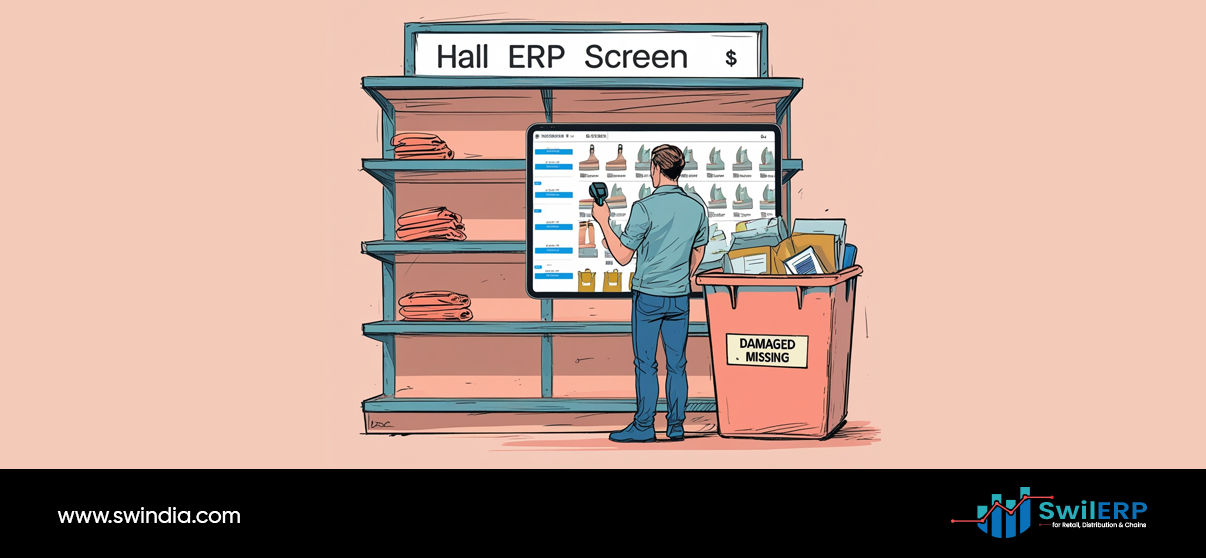
Inventory errors don’t make noise.
They don’t flash on your counter.
But they do damage—slowly.
You sell 100 units, the system says 93.
You receive 10 boxes, 1 goes missing in inward.
You think your slow-moving items are selling fine—until year-end reports say otherwise.
Without an ERP, you’re tracking stock manually or in silos. And that leads to:
- Repeated overstocking or understocking
- Forgotten expiry dates (especially in pharma)
- Mismatched inward and sales reports
With SwilERP, your stock counts are live, auto-reconciled, and adjusted in real time:
- Purchases flow directly into inventory
- Batches and expiry are tracked to the last strip
- Sales reduce stock instantly—no double entry
Most regret comes from not knowing how many small leaks were draining money for years.
2. “We Were Always Late—With Everything.”

In retail, timing is everything.
- Reordering too late means losing sales
- GST returns filed late means penalties
- Paying vendors late means losing goodwill
- Approvals delayed means lost time on the floor
Without ERP, most owners rely on calls, spreadsheets, or WhatsApp updates from staff. And those get missed, delayed, or miscommunicated.
After switching to ERP, retailers realize:
- Auto-alerts could’ve told them when stock was low
- Purchase orders could’ve been auto-suggested based on reorder levels
- Payment due lists could’ve been mailed daily
- GST reports could’ve been pre-prepared every month
SwilERP even tracks things like:
- Credit limits crossed by customers
- Sales returns pending approval
- Post-dated cheques that are about to mature
And it does this without anyone needing to remember. Just one dashboard. Updated live.
3. “We Wasted Time Doing What ERP Could’ve Done in Seconds.”
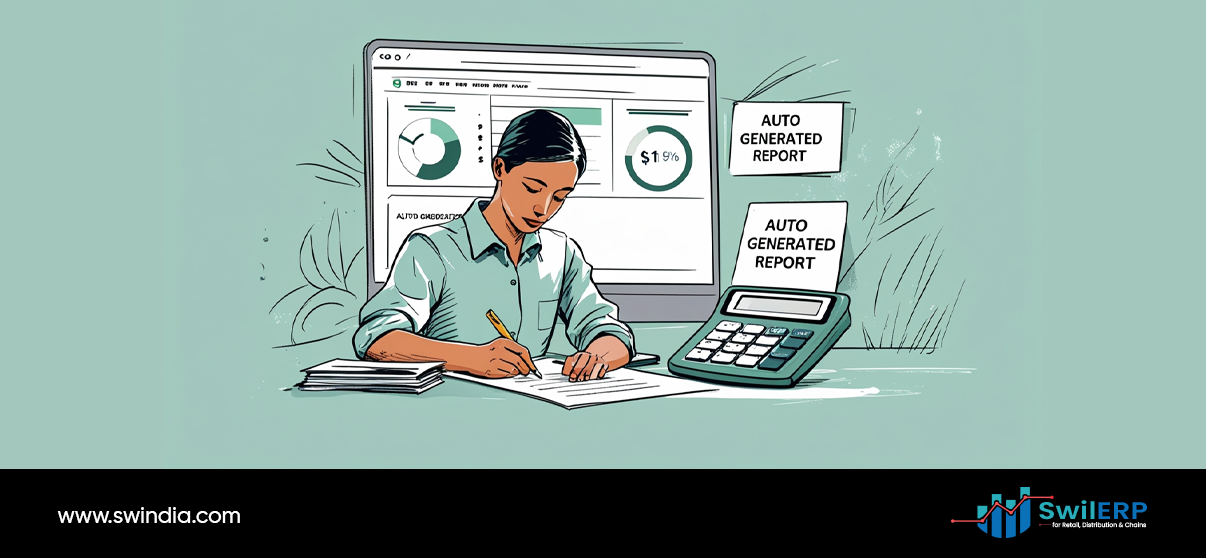
Every store has that one person who “manages everything”—sales, inward, accounts, payments, even creating Excel reports. But they also:
- Spend hours matching bills and stock
- Create manual reports at month-end
- Call 3 different people to find one GST entry
- Forget to record small credit notes or returns
Without ERP, your best people do more managing and less actual business.
After adopting SwilERP, retail owners often say:
“I didn’t realize how much time we were wasting doing things that software could handle automatically.”
Examples?
- You don’t need to make a sales report. SwilERP generates it instantly—daily, monthly, customer-wise, product-wise.
- You don’t need to remind staff about payment dues. SwilERP sends reminders.
- You don’t need to check if a product expired. The system already knows.
That’s when it hits: ERP wasn’t a “tech cost”—it was a time-saving employee you never hired.
So Why Did They Delay It?
Three common reasons:
- “We thought it would be complicated.”
→ SwilERP is built for retail workflows. The same people using Excel yesterday are running full sales modules today. - “We thought it was expensive.”
→ Not investing in ERP costs more in stock errors, penalties, and missed sales than the software ever will. - “We thought we didn’t need it yet.”
→ By the time most stores switch, the damage has already happened. ERP is not for big stores. It’s for any store that’s tired of running blind.
Final Thought
ERP is one of those things that only makes perfect sense in hindsight.
Retailers who delay it usually say, “We wish we’d started earlier.”
Those who use it now say, “We don’t know how we ran things before.”
SwilERP isn’t just about software. It’s about replacing chaos with clarity.
And once that happens, there’s no going back.
If you’ve been putting it off, ask yourself—
Will today’s delay become tomorrow’s regret?
Or will you start running your business like the one who figured it out?






ERP Blog Comment StrategyThis post nails a reality many retailers only realize too late—manual tracking doesn’t just cause errors, it erodes long-term profitability. I’ve seen firsthand how mismatched stock data quietly piles up issues that surface only during audits or tax filings. It’s a reminder that operational clarity is just as important as customer-facing efforts.