
1. Why Credit Limits Matter (Even for Trusted Customers)
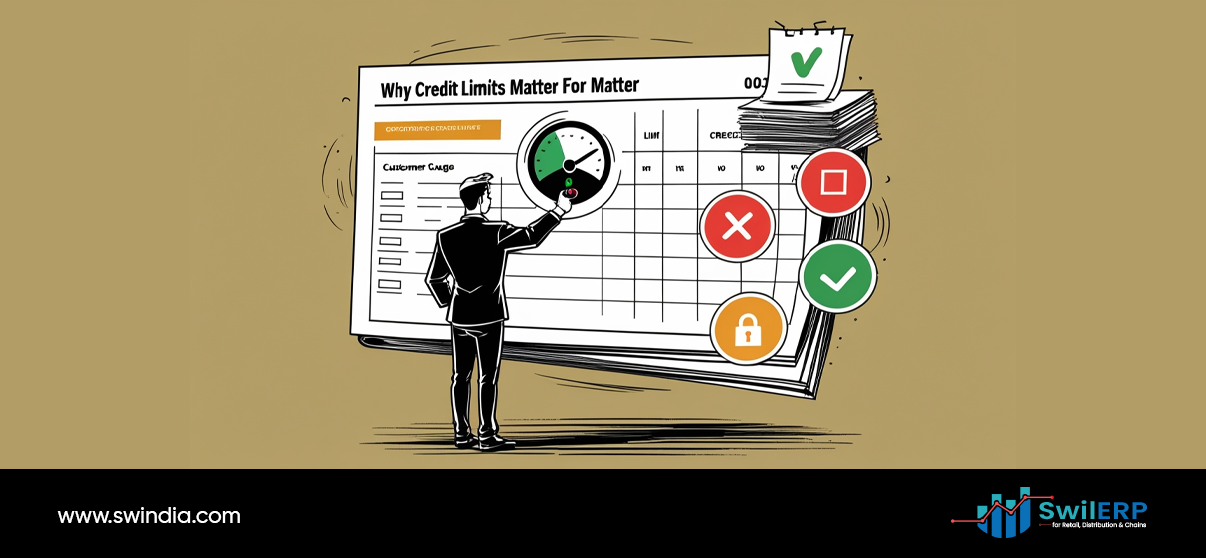
In retail, pharmacy, distribution, and wholesale, regular customers often buy on credit. While trust is part of long-term business relationships, it can also lead to overdue payments if credit is not monitored. Even reliable buyers may face temporary cash flow issues, delaying payment cycles.
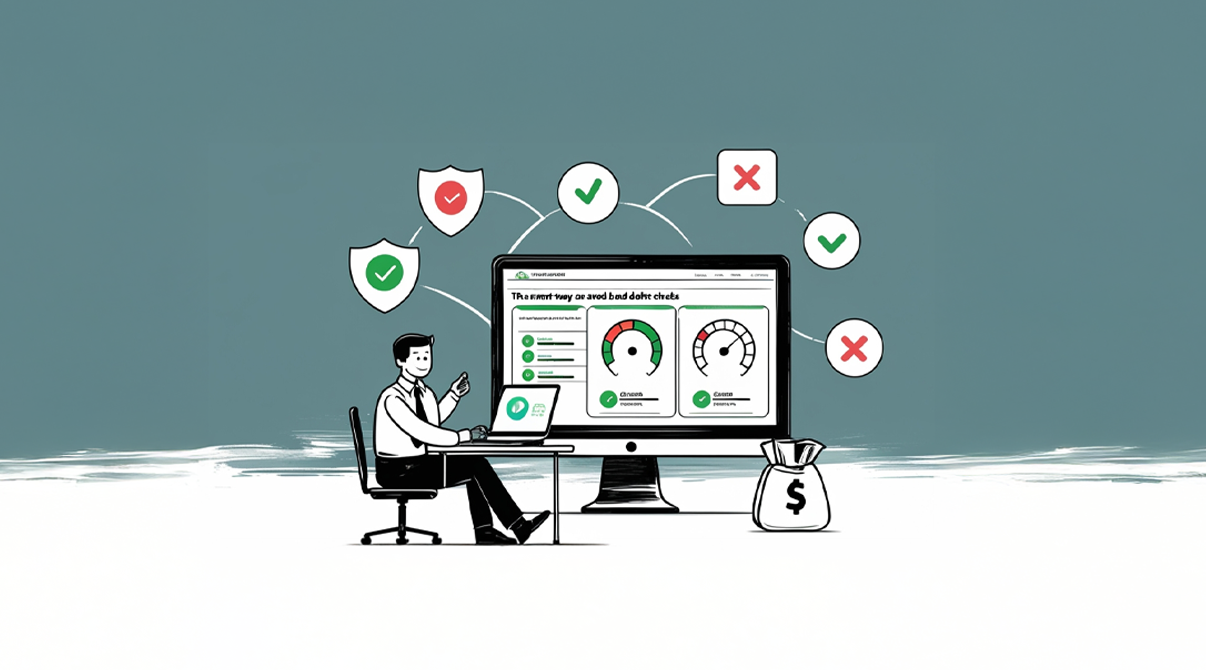
Without a system to track how much credit is already extended, your working capital can get stuck. This impacts your ability to buy new stock, pay suppliers, and manage daily operations. This is where using SwilERP Credit Checks becomes a smart way to protect your business.


2. The Risk of Overextending Credit
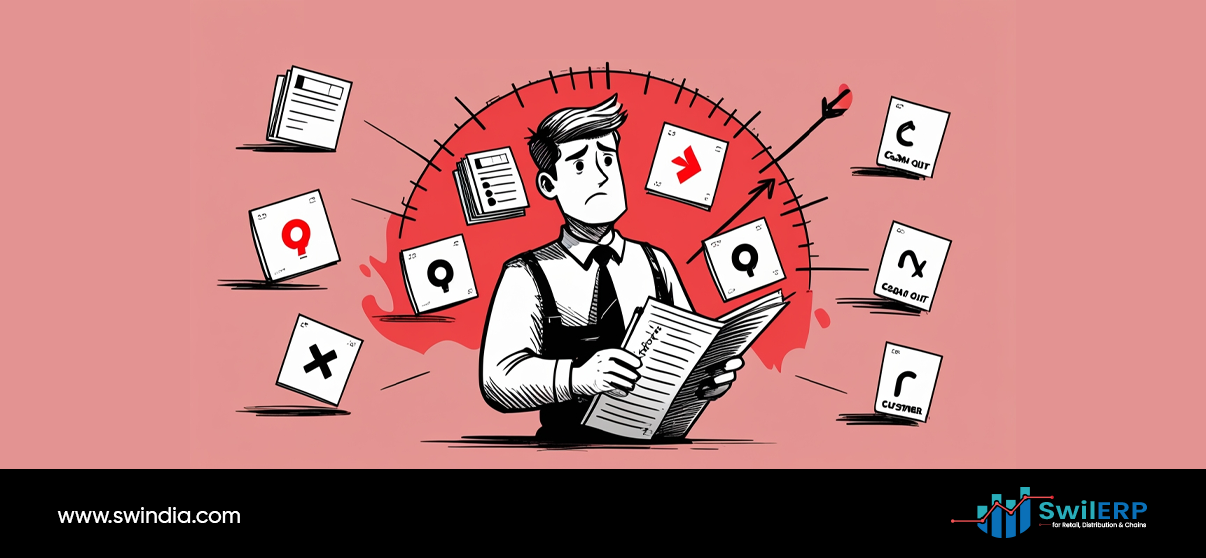
Extending too much credit without regular review can cause:
- Blocked Cash Flow: Your capital is tied up in unpaid invoices.
- Stock Shortages: Limited funds may prevent you from restocking fast-moving items.
- Supplier Pressure: Delayed supplier payments can hurt your own credit standing.
- Strained Relationships: Chasing payments damages trust and rapport.
3. How to Manually Check Credit Status in SwilERP

SwilERP allows you to see outstanding balances for every customer. While there’s no automatic alert feature for credit limits, you can manually check the status before processing new sales.
Steps to check credit balances:
- Go to the “Customer” Master in SwilERP.
- Search for the customer name using the search bar.
- Open the Customer Ledger to view their outstanding amount and payment history.
- Compare the current outstanding with the agreed credit limit.
- Decide whether to approve new orders or hold them until payment is received.
Pro Tip: Maintain a record of agreed credit limits in the customer’s master details for quick reference.
4. Best Practices to Review Credit Data
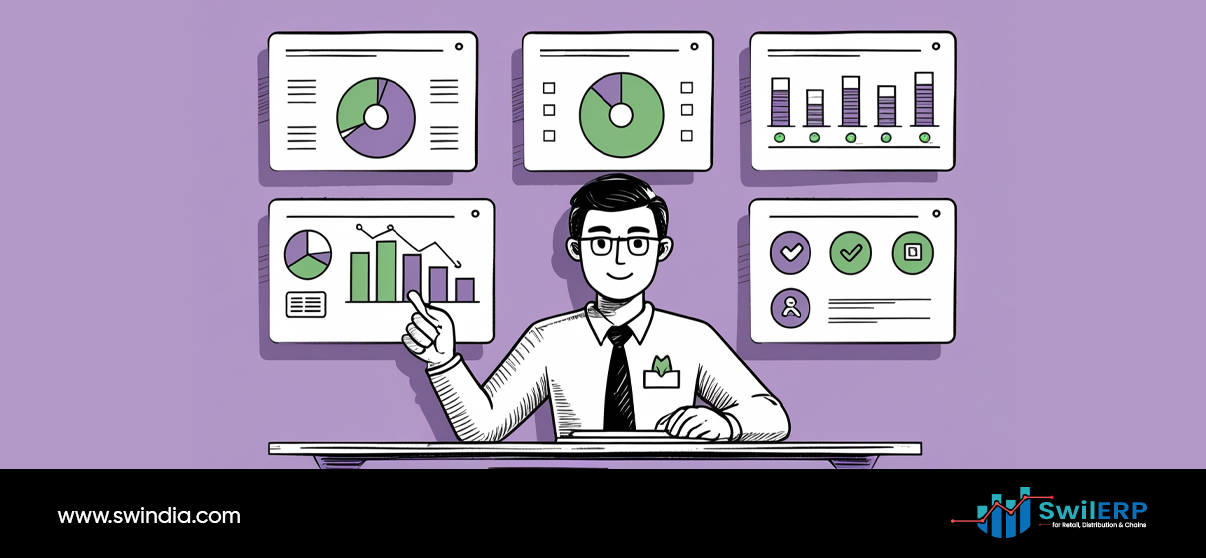
- Weekly Reviews: For high-volume customers, check outstanding amounts every week.
- Set Internal Thresholds: Even without alerts, mark customers in your list who are nearing their limit.
- Train Staff: Ensure sales teams know how to check balances before confirming orders.
- Segment Customers: Group buyers into high-risk, medium-risk, and low-risk based on payment history.
5. Tips to Act Before It Becomes Bad Debt
- Send Gentle Reminders: Use SwilERP’s SMS or WhatsApp integrations to remind customers of upcoming payments.
- Partial Payment Policy: Request partial settlement before accepting large new orders.
- Seasonal Adjustments: If a customer’s sales spike during festivals or peak seasons, review limits more often.
- Documentation: Always record agreements on credit terms in writing for future reference.
Final Word
Credit limits are not just about avoiding loss — they protect your cash flow and keep relationships healthy. SwilERP gives you the tools to manually monitor these limits so you can take timely action. A quick check before every large sale can save you from bigger headaches later.