

Restocking inventory is a key part of running a business that sells products. It’s bringing new items into your store or warehouse to replace what has been sold. Doing this well is important for keeping customers happy and ensuring your business runs smoothly. This blog post will look at some of the best ways to restock inventory.
Understanding Your Inventory Needs
Before you start restocking, it’s important to know what you need. This means looking at your current stock levels and figuring out what items are selling quickly and which ones are moving more slowly.


Analyzing Sales Data
One of the first steps in understanding your inventory needs is to look at your sales data. This information can tell you:
- Which products are popular and need to be restocked often?
- Which products are not selling well and might not need to be restocked?
- How quickly different items are selling
By looking at this data regularly, you can start to see patterns in what your customers are buying. This can help you make better decisions about what to restock and when.
Forecasting Future Demand
After looking at your past sales, the next step is to try to predict future demand. This is called forecasting. Some things that can affect future demand include:
- Seasonal changes (like selling more ice cream in summer)
- Upcoming holidays or events
- Changes in the economy
- New trends in your industry
By thinking about these factors, you can make a good guess about how much of each product you’ll need in the coming weeks or months.
Setting Up a Reorder System
Once you know what you need, it’s helpful to have a system in place for reordering. This can save time and help prevent running out of stock.
Determining Reorder Points
A reorder point is the stock level at which you should place a new order for a product. To figure out your reorder point for each item, consider:
- How quickly the item usually sells
- How long it takes for new stock to arrive after you order it
- How much extra stock you want to keep as a safety net
For example, if you sell 10 units of a product each week, and it takes two weeks for new stock to arrive, you might set your reorder point at 30 units. This gives you enough stock to last until the new order arrives, plus a little extra just in case.
Using Inventory Management Software
Many businesses use special software to help manage their inventory. This software can:
- Keep track of current stock levels
- Alert you when it’s time to reorder
- Help you place orders automatically
- Generate reports about your inventory
While this software can be beneficial, it’s important to remember that it’s just a tool. You still need to check the information it provides and make final decisions based on your knowledge of your business.
Building Strong Supplier Relationships
The companies that provide your inventory are called suppliers. Having good relationships with your suppliers can make restocking easier and more reliable.
Communicating Clearly with Suppliers
Good communication with your suppliers is key. This includes:
- Being clear about what you need and when you need it
- Letting them know about any changes in your business that might affect your orders
- Asking questions if you’re not sure about something
- Providing feedback on the quality of products and services
Clear communication can help prevent misunderstandings and ensure you get the right products at the right time.
Negotiating Better Terms
As you build relationships with your suppliers, you may be able to negotiate better terms. This could include:
- Lower prices for ordering larger quantities
- Faster shipping times
- More flexible payment terms
- Priority restocking during busy seasons
Remember, good negotiations should benefit both you and your supplier. Look for ways to create win-win situations.
Implementing Just-in-Time Inventory
Just-in-Time (JIT) inventory is a method where you try to have items arrive just when you need them, rather than keeping a large amount of stock on hand.
Benefits of JIT Inventory
Some advantages of using a JIT system include:
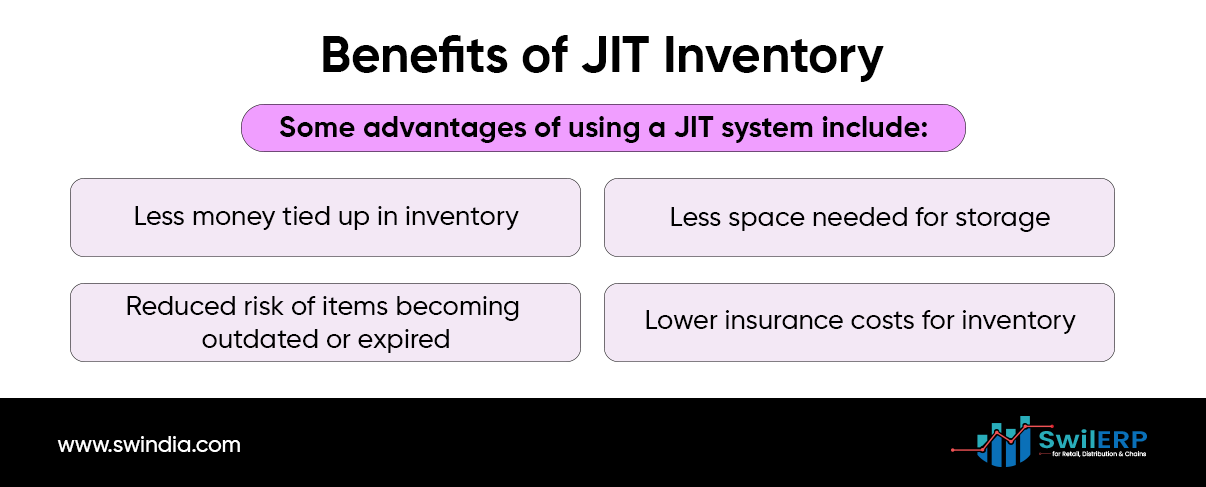
- Less money tied up in inventory
- Less space needed for storage
- Reduced risk of items becoming outdated or expired
- Lower insurance costs for inventory
Challenges of JIT Inventory
While JIT can be very helpful, it also has some challenges:
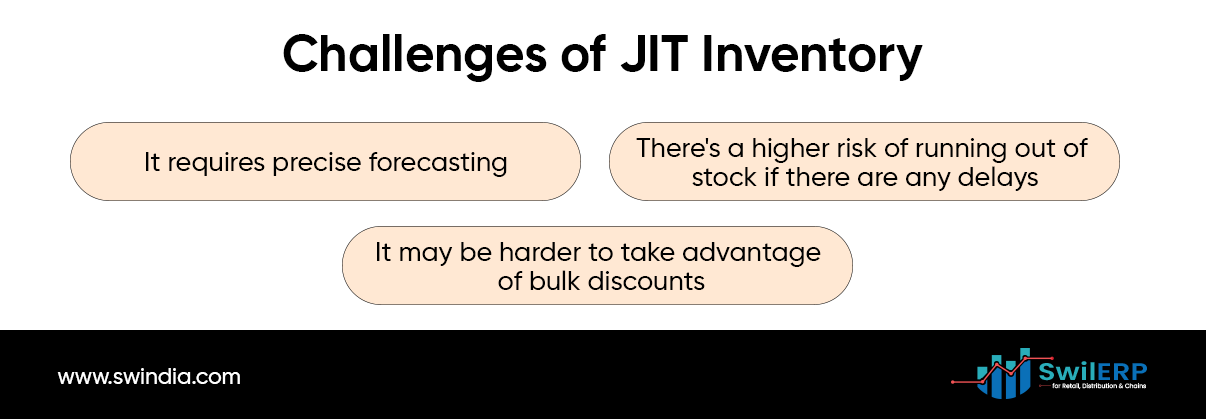
- It requires precise forecasting
- There’s a higher risk of running out of stock if there are any delays
- It may be harder to take advantage of bulk discounts
JIT inventory can work well for some businesses, but it’s not right for everyone. You need to consider your specific situation to decide if it’s a good fit for you.
Managing Stock Levels
Keeping the right amount of stock on hand is a balancing act. You want enough to meet customer demand, but not so much that you’re wasting money and space.
Avoiding Overstocking
Having too much stock can cause problems like:
- Tying up money that could be used elsewhere in your business
- Taking up too much storage space
- Risk of items becoming outdated or spoiled
- Higher insurance costs
To avoid overstocking, regularly review your inventory levels and adjust your ordering based on actual sales and forecasts.
Preventing Stockouts
On the other hand, running out of stock (called a stock-out) can also be bad for business. It can lead to:
- Lost sales
- Unhappy customers who might go to your competitors
- Rushed, expensive reorders to get items back in stock quickly
To prevent stockouts, keep a close eye on your inventory levels, especially for your most popular items. Consider setting up alerts in your inventory system to warn you when stock is getting low.
Organizing Your Warehouse or Stockroom
How you arrange your inventory can make a big difference in how easy it is to restock and find items when you need them.
Implementing an Effective Storage System
A good storage system should:
- Make it easy to find items quickly
- Use space efficiently
- Keep items safe and in good condition
- Allow for easy restocking
Some common storage methods include:
- Putting similar items together
- Storing popular items in easy-to-reach places
- Using a numbering or color-coding system to identify different areas
Using Technology for Inventory Tracking
Technology can help you keep track of where everything is. This might include:
- Barcode or QR code systems for scanning items
- Radio-frequency identification (RFID) tags that can be detected automatically
- Digital maps of your storage area
These tools can save time and reduce errors in finding and restocking items.
Conducting Regular Inventory Audits
An inventory audit is when you physically count your stock to make sure it matches what your records say you should have.
Why Inventory Audits are Important
Regular audits can help you:
- Find mistakes in your inventory records
- Identify any missing or damaged items
- Spot trends in how your inventory changes over time
- Make sure your financial records are accurate
How to Conduct an Effective Audit
To do an effective inventory audit:
- Choose a time when business is slower, if possible
- Prepare by organizing your storage area and gathering counting tools
- Have a clear system for counting and recording items
- Use teams to double-check counts and reduce errors
- Compare your physical count to your inventory records
- Investigate and correct any differences you find
Doing regular audits, even if they’re just for a portion of your inventory at a time, can help keep your stock levels accurate.
Training Your Staff
Your employees play a big role in managing inventory. Proper training can help ensure everyone understands the importance of good inventory management.
Key Areas for Staff Training
Some important topics to cover in staff training include:
- How to receive and process new inventory
- Proper storage and handling procedures
- How to use your inventory management system
- The importance of accurate data entry
- How to conduct inventory counts
- What to do if they notice discrepancies or low stock levels
Creating Standard Operating Procedures
Having written procedures for inventory-related tasks can help ensure everyone is following the same process. These procedures should:
- Be clear and easy to understand
- Include step-by-step instructions
- Explain why each step is important
- Be easily accessible to all staff members
Regularly review and update these procedures to make sure they stay current with your business practices.
Monitoring and Adjusting Your Restocking Practices
Restocking inventory isn’t a “set it and forget it” task. It’s important to regularly review how your system is working and make changes as needed.
Tracking Key Performance Indicators (KPIs)
Some useful KPIs for inventory management include:
- Inventory turnover rate (how quickly you sell and replace inventory)
- Carrying costs (the cost of storing and managing inventory)
- Stock-out rate (how often you run out of items)
- Order fill rate (how often you can fill customer orders)
By tracking these numbers over time, you can see if your restocking practices are improving or if there are areas that need work.
Making Data-Driven Decisions
Use the data you collect to make informed decisions about your inventory. This might include:
- Adjusting your reorder points for different items
- Changing how much safety stock you keep on hand
- Renegotiating terms with suppliers
- Modifying your storage layout
Remember that what works best can change over time, so it’s important to stay flexible and willing to try new approaches.
Conclusion
Restocking inventory is a crucial part of running a successful business that sells products. By understanding your needs, setting up good systems, building strong relationships with suppliers, and regularly reviewing your practices, you can keep your inventory at the right levels to satisfy customers and support your business goals.
Remember, there’s no one-size-fits-all approach to inventory management. What works best will depend on your specific business, products, and customers. The key is to stay informed, be willing to adapt, and always look for ways to improve your restocking practices.







An impressive share! I’ve just forwarded this onto a friend who has been doing a
little research on this. And he actually ordered me dinner because I stumbled upon it for him…
lol. So allow me to reword this…. Thanks for the meal!!
But yeah, thanx for spending the time to talk about this subject here on your website.
Awesome article.
I don’t even know how I ended up here, but I thought this post was good.
I do not know who you are but definitely you’re going
to a famous blogger if you aren’t already 😉 Cheers!
Useful information. Fortunate me I found your website by accident,
and I’m surprised why this twist of fate didn’t happened earlier!
I bookmarked it.