

swilerp
  • Home
  • Retail
  • Inventory Management
  • GST
  • POS Operations
No Result
View All Result
Get Started
swilerp
  • Home
  • Retail
  • Inventory Management
  • GST
  • POS Operations
No Result
View All Result
Get Started
swilerp
No Result
View All Result

Why Stockouts Always Happen on Your Best-Selling Items

Tavishi Mathur by Tavishi Mathur
Aug 25, 2025
in General
Reading Time: 7 mins read
0
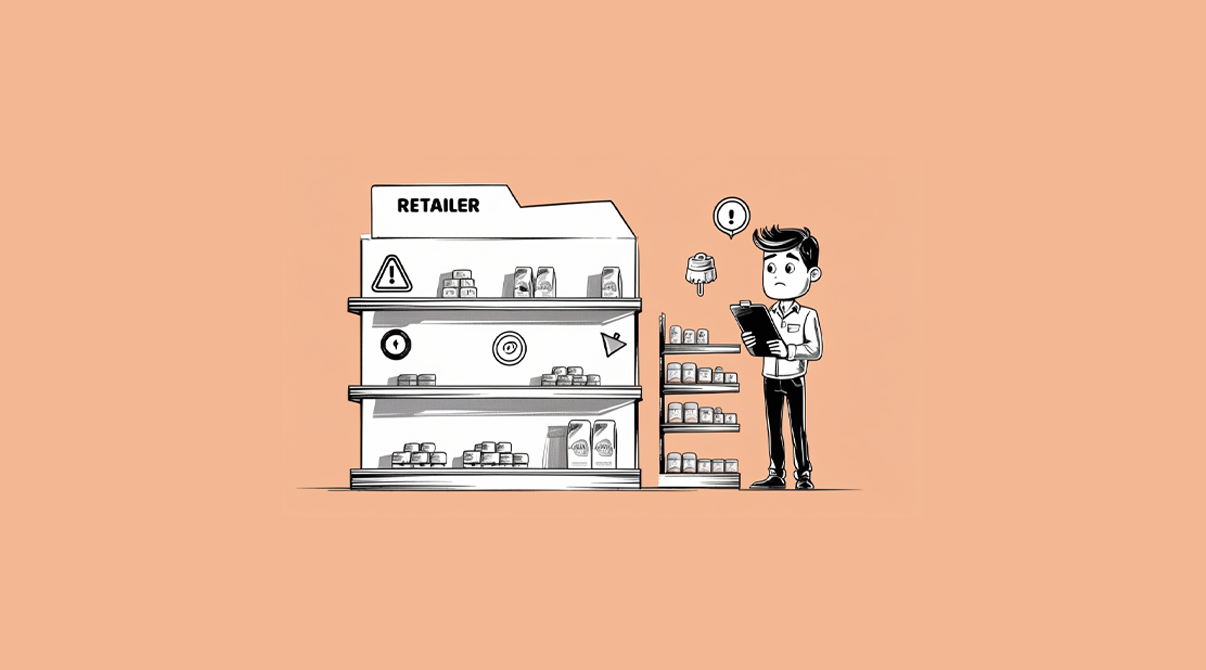
Retail manager checking inventory levels to prevent stockouts at store display with tablet device showing concern about product availability and stock management

Running out of your top-selling products is more than just frustrating—it’s a silent revenue leak. This is a common problem known as stockouts. Best-sellers attract repeat customers, keep your cash flow healthy, and build your store’s reputation. Yet, they’re often the first items to disappear from shelves. Let’s break down why it happens and what you can do to stop it.

1. They Sell Faster Than You Restock
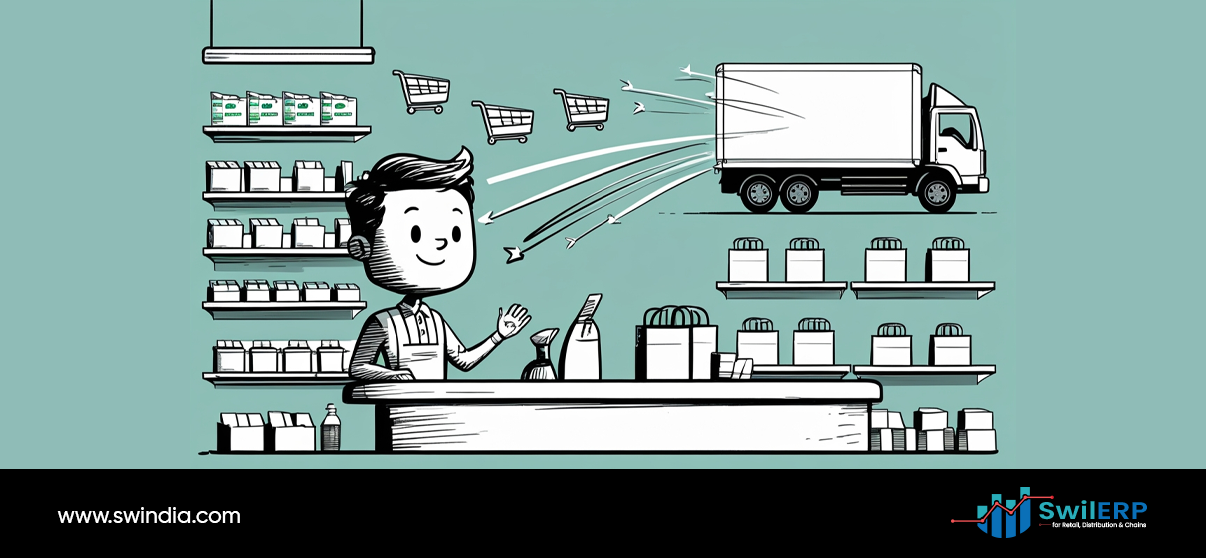
Retail store manager coordinating stockouts prevention through efficient order fulfillment system with delivery trucks and organized product shelves

Your best-selling items don’t follow the same sales pattern as slower-moving products. They can clear out in days, sometimes even hours, leaving little time for a manual reorder.


You might also like

Dead Stock in Indian Retail: Why Inventory Looks Fine—Until It Suddenly Breaks

Dead Stock in Indian Retail: Why Inventory Looks Fine—Until It Suddenly Breaks

Jan 7, 2026
Sales Order vs Sales Invoice vs Sales Challan (Explained Simply)

Sales Order vs Sales Invoice vs Sales Challan (Explained Simply)

Dec 26, 2025

Why it matters:

  • Slow reorder cycles mean you’re always behind.
  • You may end up paying extra for emergency restocks.

What you can do:

  • Set a minimum stock threshold so you know when it’s time to reorder.
  • Review sales data weekly for your top 10 products instead of monthly.

2. Sudden Demand Spikes
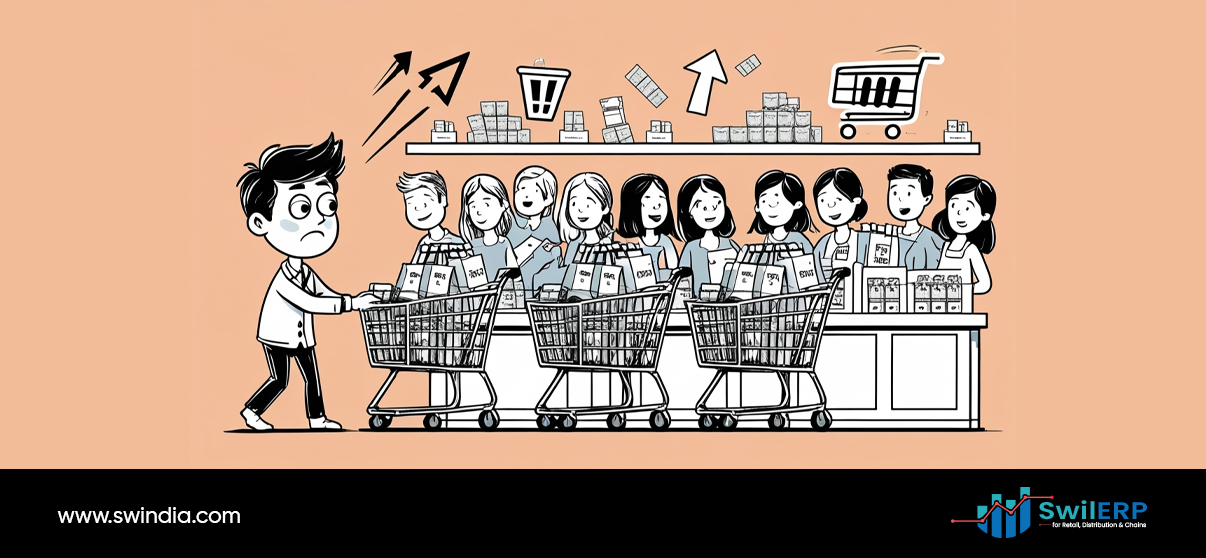
Retail stockouts creating customer queue problems as shoppers wait in line with shopping carts while business manager struggles with inventory challenges

Festivals, seasonal trends, or local events can trigger a sudden rush for specific products. Without advance preparation, you’ll struggle to meet demand.

Why it matters:

  • Unplanned demand drains your inventory faster.
  • Customers who can’t find the product may go to competitors.

What you can do:

  • Use past sales records to forecast seasonal peaks.
  • Keep a buffer stock for items with a history of sudden spikes.

3. Supplier Delays
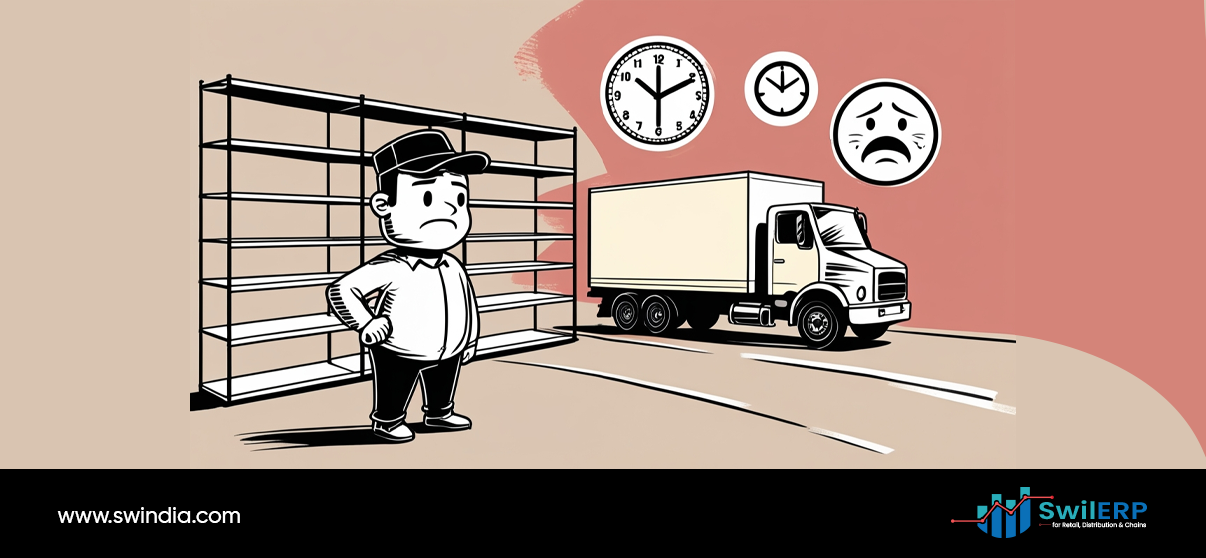
Delivery worker experiencing stockouts delays with empty warehouse shelves and truck waiting for restocking, showing time management concerns and customer dissatisfaction

Even if you place orders on time, delays in delivery can still cause stockouts—and the impact is worst for your fast-moving items.

Why it matters:

  • Late deliveries disrupt sales and customer trust.
  • You might need to spend more to source from alternate suppliers.

What you can do:

  • Track supplier performance regularly.
  • Keep multiple vendors for critical items.

4. Stock Sitting in the Wrong Place
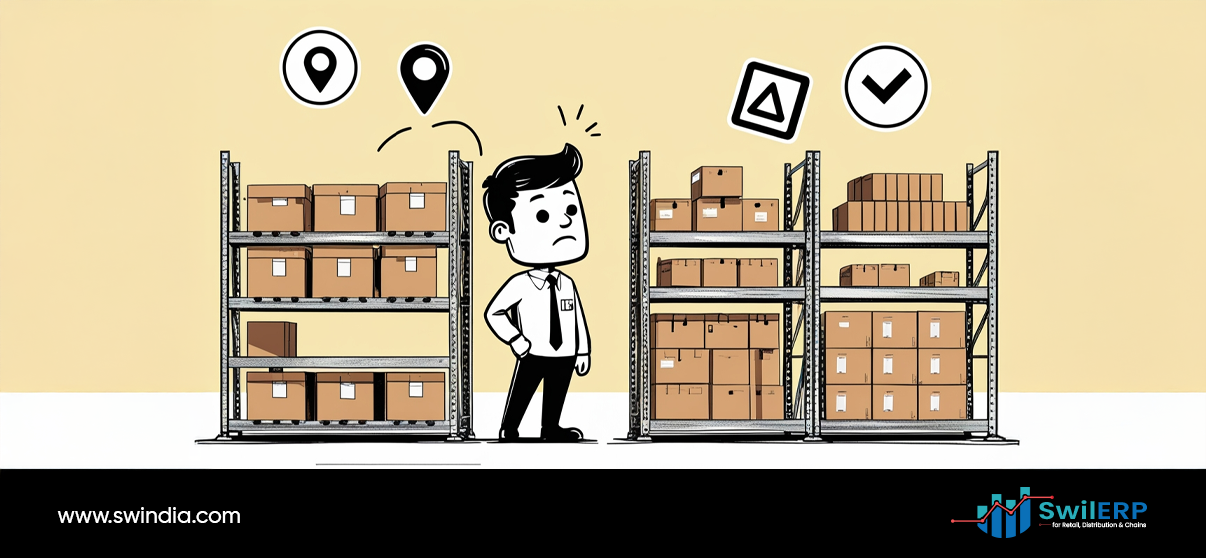
Warehouse manager monitoring stockouts in distribution center with location tracking systems and organized inventory shelves to prevent stock shortages

Sometimes your top-selling product is out of stock in one branch but overstocked in another. Poor visibility across locations makes it hard to fix this quickly.

Why it matters:

  • You spend on new stock when you already have excess elsewhere.
  • Missed opportunities to transfer stock cost time and money.

What you can do:

  • Monitor inventory across all locations in one place.
  • Create a process for fast internal stock transfers.

5. Not Accounting for Lead Times
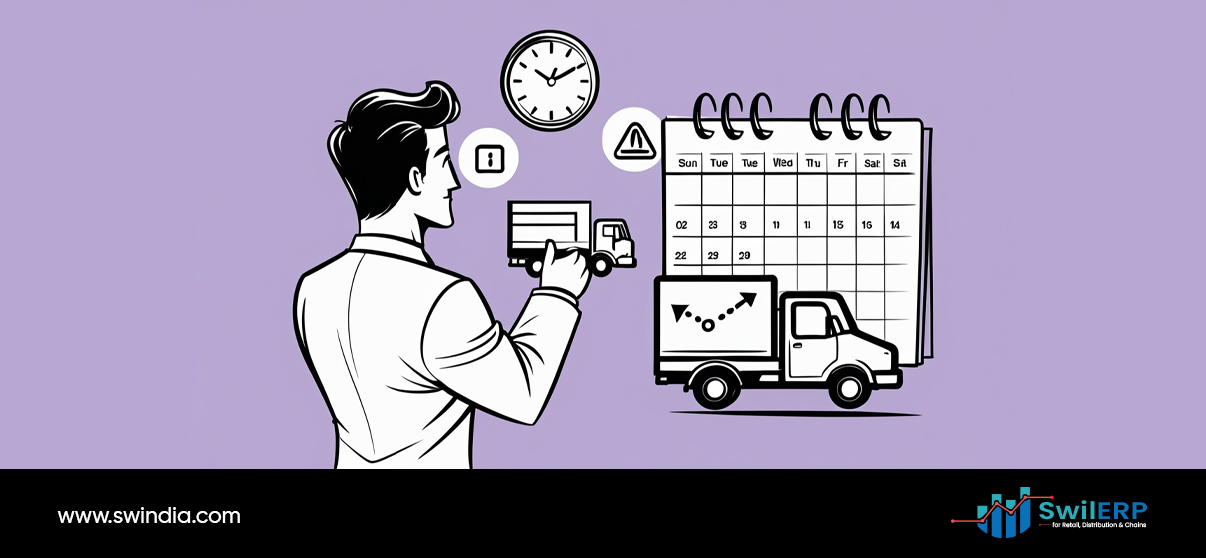
Supply chain manager planning delivery schedules to avoid stockouts using calendar and mobile app with truck logistics coordination and warning indicators

Some products take longer to arrive than others, especially imported or custom items. If you reorder too late, you’ll run out before the shipment arrives.

Why it matters:

  • Long lead times can cause frequent stock gaps.
  • Emergency orders often have higher costs.

What you can do:

  • Factor in supplier lead times when planning orders.
  • Place larger or earlier orders for products with slow restocking cycles.

6. Over-Reliance on Manual Checks

Business professional analyzing stockouts with magnifying glass surrounded by paperwork stacks and quality control checkmarks for inventory management

If you’re still checking stock levels by physically walking the aisles, you’re relying on memory and guesswork. Best-sellers need real-time tracking.

Why it matters:

  • Manual checks are prone to errors and delays.
  • You might miss the exact moment stock drops below safe levels.

What you can do:

  • Use a POS or inventory system that updates in real time.
  • Schedule automatic reports for your best-selling SKUs.

Why Preventing Stockouts Matters More Than You Think
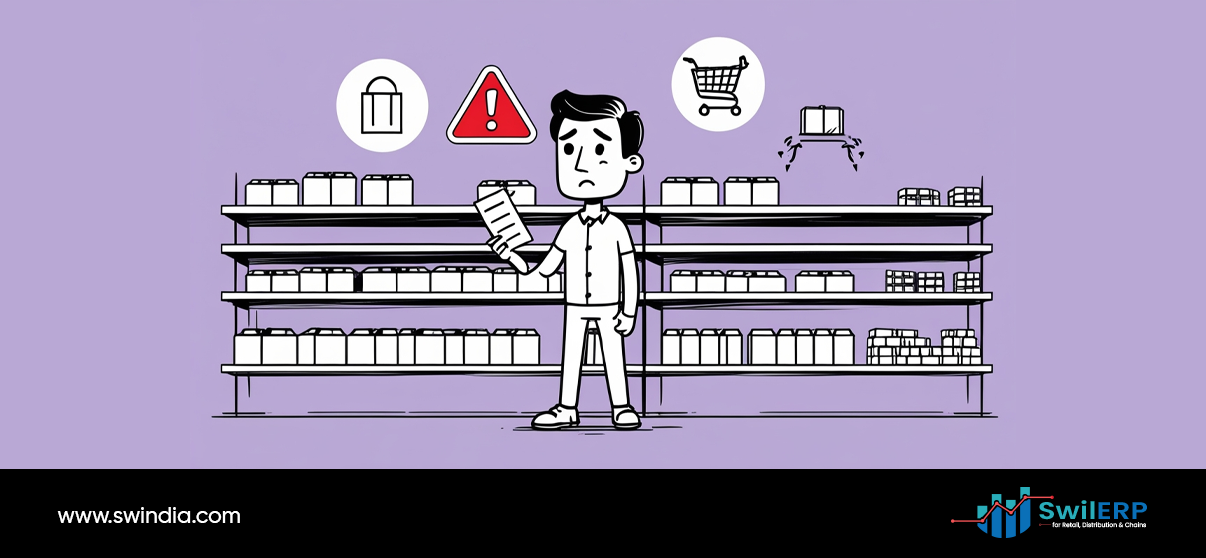
Store employee dealing with stockouts crisis holding checklist in retail environment with warning alerts and empty shopping cart indicating inventory shortage

Stockouts aren’t just about lost sales. They create a chain reaction:

  • Customer frustration—shoppers may stop visiting your store.
  • Brand reputation damage—you look unreliable.
  • Increased costs—Rush orders and missed bulk discounts eat into margins.

A few missed sales can be managed. But repeated stockouts on high-demand products weaken your long-term market position.

Closing Thoughts

Stockouts on best-selling items aren’t bad luck—they’re a result of predictable patterns. If you can track these patterns and act before a shortage happens, you protect both your revenue and your reputation.

Even small changes — like weekly sales reviews, safety stock buffers, and supplier performance checks—can make a big difference.


Share236Tweet148Pin53
Previous Post

ERP Reports for Retail Time-Saving: Save 2 Hours Every Morning

Next Post

How Your GST Filing Becomes Easy the Day You Stop Using Excel

Tavishi Mathur

Tavishi Mathur

Tavishi Mathur is a content writer for SWIL. With a background in journalism and mass communication, she loves researching and writing about innovations in retail, wholesale, supply chain management, and international trade

Related Stories

Dead Stock in Indian Retail: Why Inventory Looks Fine—Until It Suddenly Breaks

Dead Stock in Indian Retail: Why Inventory Looks Fine—Until It Suddenly Breaks

by Ashish Rawat
Jan 7, 2026
0

Dead stock is one of the most silent profit killers in Indian retail.It doesn’t announce itself. It accumulates quietly—on shelves,...

Sales Order vs Sales Invoice vs Sales Challan (Explained Simply)

Sales Order vs Sales Invoice vs Sales Challan (Explained Simply)

by Ashish Rawat
Dec 26, 2025
0

If you run a retail, wholesale, or distribution business, certain documents are part of your daily routine. Among the most...

jugaad software

The ‘Jugaad Software’ Mindset Is the Reason Indian Businesses Don’t Scale

by Ashish Rawat
Dec 23, 2025
0

India is known for jugaad. Creative workarounds. Quick fixes. Making things work with limited resources.In the early days of a...

Why Bootstrapped Tech Is Beating the VC Playbook in India

Why Bootstrapped Tech Is Beating the VC Playbook in India

by Ashish Rawat
Dec 15, 2025
0

For over a decade, India’s tech landscape has been shaped by two very different philosophies: Bootstrapped, customer-funded, profitability-first models VC-funded,...

Next Post
A businessman works at his computer with multiple software windows open, including Excel spreadsheets and GST filing applications, surrounded by stacks of documents, representing the complete digital transformation of traditional GST filing workflows into modern automated systems.

How Your GST Filing Becomes Easy the Day You Stop Using Excel

Leave a Reply Cancel reply

Your email address will not be published. Required fields are marked *

Table of Contents
  • 1. They Sell Faster Than You Restock
  • 2. Sudden Demand Spikes
  • 3. Supplier Delays
  • 4. Stock Sitting in the Wrong Place
  • 5. Not Accounting for Lead Times
  • 6. Over-Reliance on Manual Checks
  • Why Preventing Stockouts Matters More Than You Think
  • Closing Thoughts
Table of Contents
  • 1. They Sell Faster Than You Restock
  • 2. Sudden Demand Spikes
  • 3. Supplier Delays
  • 4. Stock Sitting in the Wrong Place
  • 5. Not Accounting for Lead Times
  • 6. Over-Reliance on Manual Checks
  • Why Preventing Stockouts Matters More Than You Think
  • Closing Thoughts
SWIL Blog

Thousands of Retailers, Distributors & Chain stores use SWIL Software to organize their inventory, record their billing & manage their accounting.

  • Home
  • Retail
  • Inventory Management
  • GST
  • POS Operations
Get Started